
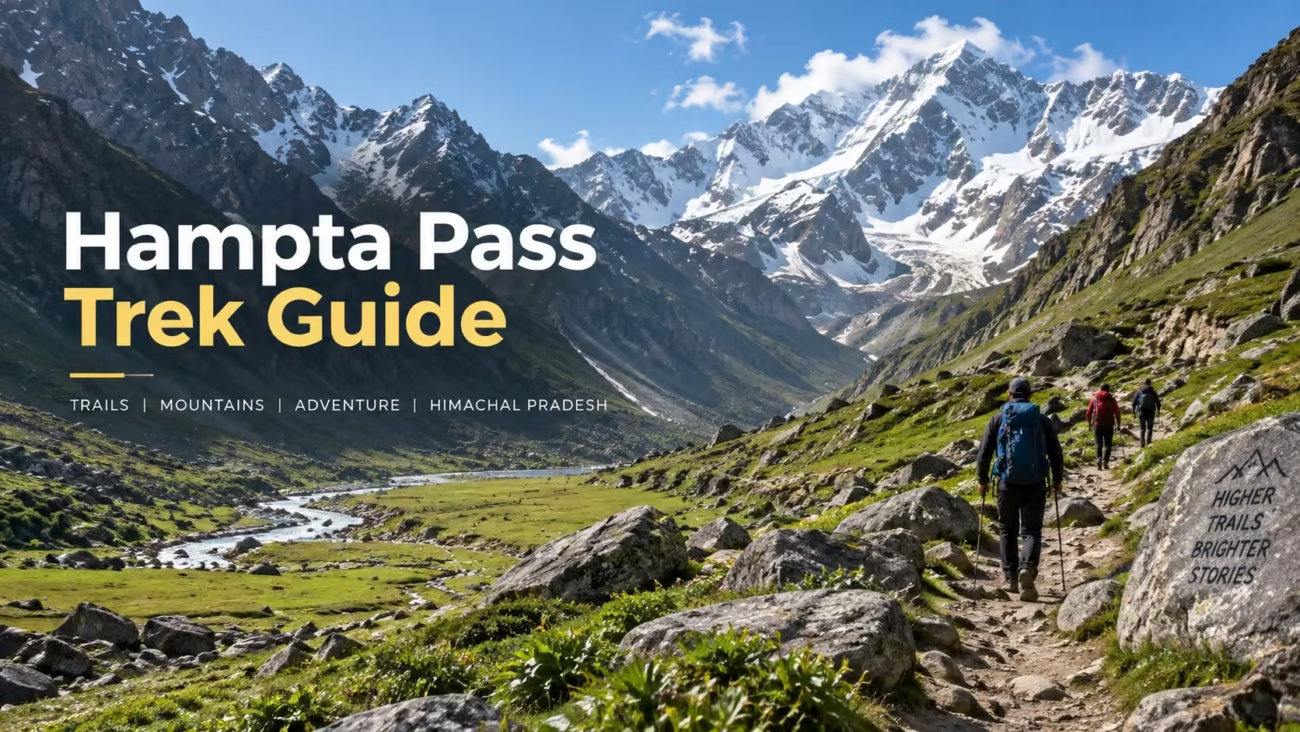
You can only imagine, you begin your morning stroll through a green valley, lined with pine trees and a river running alongside you, shepherds with their sheep moving through the valley. On the next afternoon, you’re on a rocky pass at more than 14,000 feet, and on the other side, the landscape is entirely different. Green meadows are no more. Instead, there’s a dry, brown, moon-like desert that appears to be from another planet.
This sudden change is what makes the Hampta Pass Trek so special. It is not a regular trekking in the Himalayas. It’s a cross over trek, one that passes from the luxuriant Kullu Valley on one side to the cold desert of Lahaul and Spiti on the other side, in approximately five days. Few treks in India can match this dramatic change in the landscape and that is one of the reasons why it has become one of the most popular treks for both beginners and experienced trekkers.
If you are considering undertaking this trek, this guide will take you through all the information you need.
What Makes Hampta Pass Trek So Popular
The Hampta Pass Trek is located in Himachal Pradesh, near Manali. It is often said that it is the perfect trek for those who are experiencing high altitude trekking for the first time, but it is nowhere close to boring for someone who has trekked before.
Here is why people keep coming back to it, or recommending it to their friends:
- The trail is different almost every day, so you never feel like you’re walking the same trail twice.
- Requires no technical climbing skill, no ropes or previous mountaineering experience.
- The walk is long enough to be a real Himalayan adventure, but not so long that you can’t do it over a long weekend.
- Many of the tours offer the opportunity to visit Chandratal Lake, a beautiful high-altitude lake that resembles a mirror on a clear day.
Hampta Pass Trek Distance
One of the most searched questions about this trek is simple: how far do you actually have to walk?
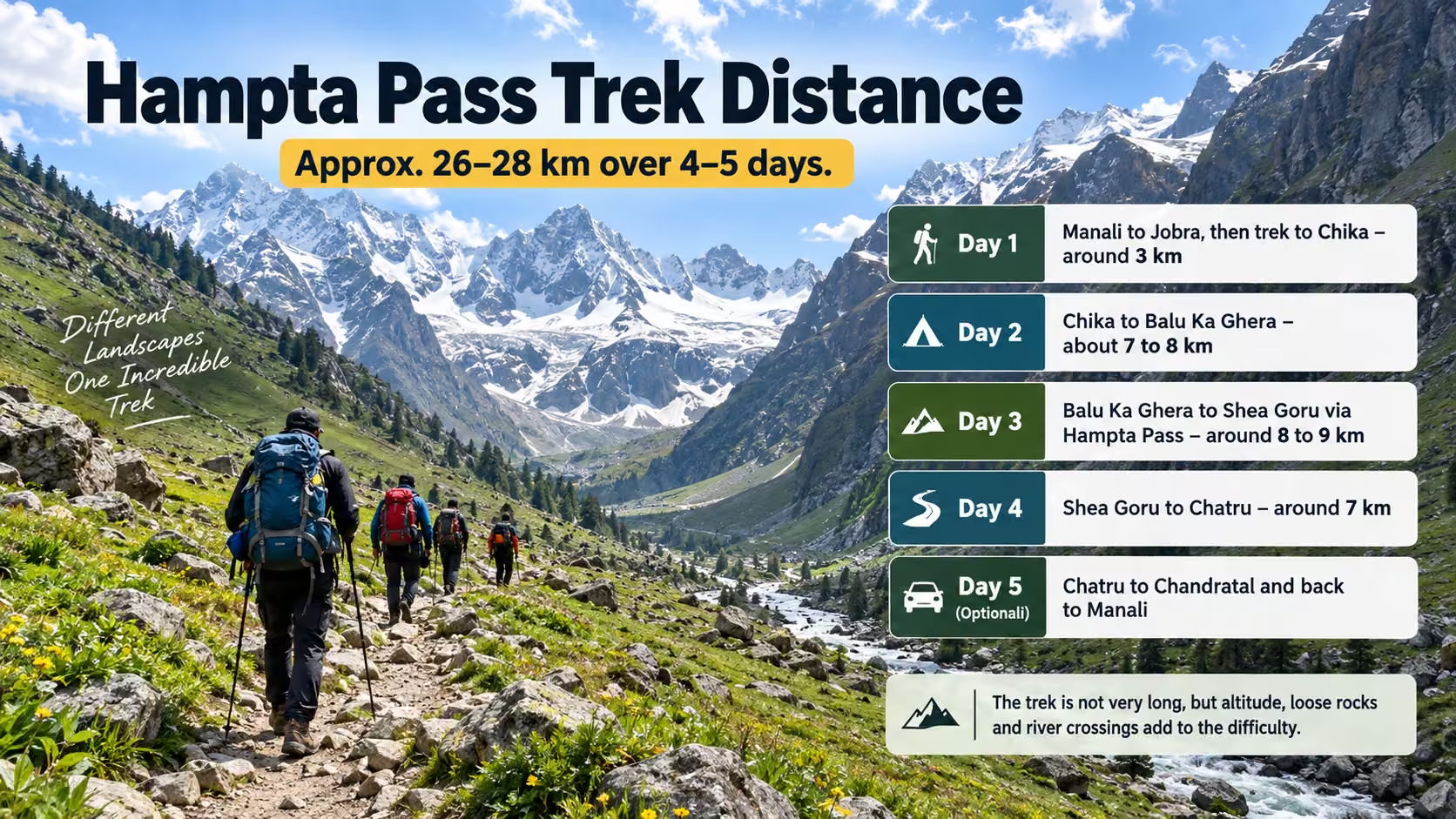
The trek to Hampta Pass is approximately 26 to 28 kilometres in total, and 4 to 5 days of walking. Some operators add on Chandratal which is an extra drive and walk which can make it closer to 35 kilometres.
The distance is typically divided up into the following:
- Day 1: Manali to Jobra, then a short trek to Chika (around 3 km of walking)
- Day 2: Chika to Balu Ka Ghera (about 7 to 8 km)
- Day 3: Balu Ka Ghera to Shea Goru, crossing the Hampta Pass itself (the longest and toughest day, around 8 to 9 km)
- Day 4: Shea Goru to Chatru (around 7 km, mostly downhill)
- Day 5 (optional): Chatru to Chandratal and back to Manali
None of these distances are particularly large, but add to the difficulty of the walk the altitude, the loose rocks, and the river crossings. Although not a difficult trek, it’s advisable to be moderately fit before you set out.
Hampta Pass Trek Best Time To Go
Timing matters a lot on this trek, and the experience genuinely changes depending on when you go.
The Hampta Pass trek best time is generally between mid-June and early October, once the pass opens up for the season and closes again before heavy snowfall returns.
Here is how the season usually plays out:
- Mid-June to early July: This is when the trail still has leftover snow from winter. You get snow-covered patches near the pass, cold river crossings, and a slightly tougher trek overall. It also means beautiful photos, since the white snow against green valleys looks stunning.
- Mid-July to August: This is the monsoon window. The valleys turn completely green, and wildflowers bloom across the meadows. On the flip side, rain can make trails slippery, and there is a higher chance of landslides on the road to Manali. If you go during this period, keep an eye on the weather updates.
- September: Many trekkers consider this the sweet spot. The rains have mostly stopped, skies are clearer, the crowd is thinner, and the views open up in every direction. Nights get colder, but the daytime walking conditions are usually the most comfortable.
If someone asks you for one honest answer on the best time, September edges ahead for clear skies, but June is unbeatable if you want to see snow at the pass.
How Difficult Is The Hampta Pass Trek
This trek is considered a moderate difficulty trek. It’s not just for advanced trekking enthusiasts, but it’s not a stroll either.
The first two days are quite mild and slow with a steady ascent through forest and open valley. The true test is on day three, when you actually cross the pass. The walk will be 7-9 hours with a good amount of altitude gain and some loose rocks and perhaps some snow. Altitude sickness is a real concern here and acclimatisation on the preceding days is important.
With a basic level of fitness and a few weeks of jogging, stair climbing or taking a few hikes in the vicinity of your city you should be able to tackle this trek without too much difficulty if you are able to walk 5-6 kilometres with ease.
IndiaHikes Hampta Pass Trek
If you have done a little bit of research in trekking India, you would have definitely heard of IndiaHikes. It is one of the country’s most recognized trekking companies with their trained trek leaders, detailed information before a trek and safety measures.
The IndiaHikes Hampta Pass trek is similar to most of the basic treks and begins from Jobra near Manali and ends at Chatru which can be further extended to Chandratal Lake. The key differentiator for IndiaHikes is that they are responsible trekking. They focus on such issues as good trail practice in waste disposal, educating trekkers on high-altitude symptoms, and training trek leaders in wilderness first aid.
When it comes to your first trek in the Himalayas, it is best to go with a trusted name like IndiaHikes, as many of the safety and logistics concerns are already addressed.
Choosing The Right Hampta Pass Trek Package
There are dozens of trek operators offering a Hampta Pass trek package these days, and the options can feel overwhelming when you are trying to book one.
Before picking a package, it helps to check a few basic things:
- What is included in the price? Look for meals, camping equipment, permits, and a common carry bag or porter service.
- How experienced are the trek leaders, and what is their group size per leader? Smaller groups usually mean better attention and safety.
- Is there a mention of acclimatisation days or a slow, staggered altitude gain, rather than rushing you up in a hurry?
- Does the package include a Chandratal Lake extension, or is that a separate add-on?
- What is their cancellation and rescheduling policy, since mountain weather can change plans quickly?
A good Hampta Pass trek package should feel transparent about all of this from the start. If an operator is vague about safety measures or refuses to share a detailed itinerary before booking, that is usually a sign to look elsewhere.
What To Pack For The Trek
You do not need fancy gear for this trek, but a few basics will make a real difference to your comfort:
- A good pair of broken-in trekking shoes with ankle support
- Layered clothing, since mornings and nights are cold but afternoons can get warm while walking
- A rain jacket or poncho, especially if you are trekking in July or August
- A reusable water bottle and a basic first-aid kit
- Sunscreen and sunglasses, since the sun at high altitude is much stronger than it feels
Final Thoughts
The Hampta Pass Trek is one of those treks that allow you to feel you are moving from one world to another – and that’s all on foot. The green valley on one side and the barren cold desert on the other remain a memory long after the trek is over.
The key factors to consider are choosing a package that values safety, fitness preparation and timing, regardless of whether you are working with IndiaHikes or another well-established tour company or a smaller, local group. If you do, Hampta Pass will likely be one of those trips you’ll be talking about for years to come.
Frequently Asked Questions
1. How many days does the Hampta Pass Trek take?
Most itineraries are spread across four to five days, starting and ending near Manali. If you add the Chandratal Lake extension, it usually becomes a five to six day trip.
2. Is the Hampta Pass Trek suitable for beginners?
Yes, it is often recommended as a good first high-altitude trek. It is rated as moderate difficulty, so you should be reasonably fit, but you do not need prior trekking experience or technical climbing skills.
3. What is the maximum altitude of the Hampta Pass Trek?
The pass itself sits at around 14,100 feet, or roughly 4,270 to 4,300 metres above sea level, which is also the highest point of the entire trek.
4. Can I do the Hampta Pass Trek without a guide or a trekking company?
It is not recommended. The route involves river crossings, changing weather, and altitude-related risks, so going with an experienced operator or a certified trek leader is a much safer choice, especially for first-time high-altitude trekkers.
